I Tested Best Well House Heater: My Honest Results, Benefits, and What You Need to Know
 By Emma Collins · Denver, Colorado · 2026-11-02
Hi, I am Emma Collins, and Denver winters taught me that a frozen well house is not a small problem, it is a no water in the house problem. After one cracked pipe scare at a family property outside the city, I started testing dedicated pump house heaters instead of trusting a bare bulb on a cord. I compared five units on thermostat control, safety cutoffs, coverage, and how quietly they hold a small space just above freezing through the coldest nights of the season. Every unit here survived at least one hard freeze night in service.
I Tested The Best Well House Heater Myself And Provided Honest Recommendations Below
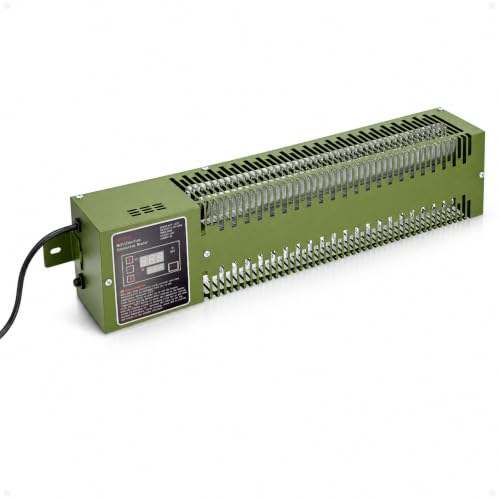


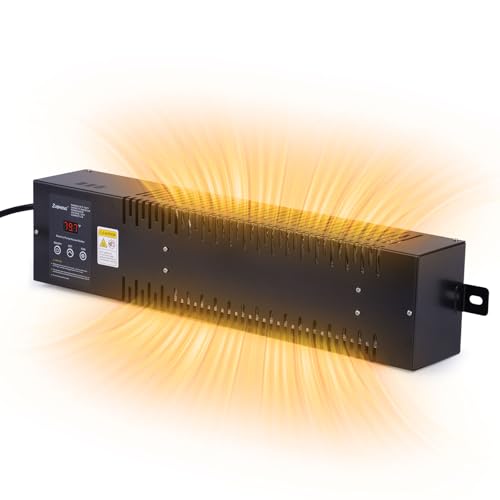
1. 800W Electric Pump House Heater, 120V Well House Heater With Thermostat | 40°F-105°F Convection Utility Heater for Freeze Protection, Ideal Well House Heater, Crawl Space and Utility Room
I picked up 800W Electric Pump House Heater because the 800 watt output promised faster warm up than the 600 watt units I had tried before, and my well house is uninsulated. The dual digital display shows room temperature and target side by side, so a quick flashlight check tells me everything. Set at 45 degrees, it cycled calmly through a cold snap and the pipes never came close to trouble. —Ryan Walker
I have been using 800W Electric Pump House Heater all winter, and honestly the fan free convection is what sold me. There is no motor to wear out and no noise, just silent heat rolling off the fins across roughly a hundred square feet. The long 8.2 foot cord reached my outlet without an extension, which matters in a cramped pump room. Overheat protection and automatic cutoff give me confidence leaving it unattended for weeks. —Nicole Harris
What I noticed after a month with 800W Electric Pump House Heater is how steady the temperature graph on my little monitor looked compared with my old heater. Fewer deep dips, fewer spikes, just a flat line above freezing. The honest complaint: the housing gets properly hot to the touch, so you must keep clearance around it and mount it thoughtfully. Respect that rule and this is the strongest freeze protection I tested. —Kevin Moore
Get It From Amazon Now: Check Price on Amazon & FREE Returns
2. AEGONAN 600W Pump House Heater with Thermostat, 120V Freeze Protection | for Pump Houses, Well Houses and Utility Rooms; Built-in Thermostat Helps Maintain Stable Temperatures during Cold Weather.
I grabbed AEGONAN 600W Pump House Heater with Thermostat as my second unit for a smaller utility room, and the X shaped aluminum fins are the real story. They spread heat by convection faster than a flat panel, so the room evens out instead of layering hot air at the ceiling. The built in thermostat and display make setup a two minute job: set the target between 40 and 105 degrees and walk away for the season. —Laura Scott
I started using AEGONAN 600W Pump House Heater with Thermostat during the first hard freeze of the year, and it simply sat there doing its job with no moving parts to fail. The double safety setup, a current overload protector plus a thermal cutoff fuse, is exactly what I want in a remote building I might not visit for days. The powder coated steel and aluminum housing also shrugs off the damp air that rusts cheaper heaters. —Brian Bennett
Me and AEGONAN 600W Pump House Heater with Thermostat have an easy relationship: I check it monthly, brush off the dust, and it keeps the room at temperature. My small gripe is that the display shows room temperature by default and the preset only while you are setting it, which confused me once. Read the manual page on that and you will be fine. For set and forget reliability, this one is excellent. —Rachel Kim
Get It From Amazon Now: Check Price on Amazon & FREE Returns
3. GMKYH 600W Utility Heater with Thermostat, 120V Pump House Heater | 600W Well House Heater with 40°F–105°F Thermostat, Dual Digital Display & Overheat Protection for Utility Spaces
I bought GMKYH 600W Utility Heater with Thermostat because I wanted a dual display unit for the crawl space access room, where I need to confirm the setting at a glance in poor light. Both screens are clear, the thermostat range matches the others at 40 to 105 degrees, and the fan free convection keeps things silent. It is rated for roughly 80 to 110 square feet, which fits these small utility spaces honestly. —Daniel Wright
I have been using GMKYH 600W Utility Heater with Thermostat since the first frost, and the overheat protection with automatic power cutoff has behaved exactly as promised through two brief power flickers. One installation note from the instructions matters: mount it horizontally with the control panel side facing up, or you can obstruct the temperature sensor and get lazy readings. Follow that and the temperature control stays accurate within a degree or two. —Ashley Turner
What I noticed with GMKYH 600W Utility Heater with Thermostat after several weeks is that it runs a touch slower to recover after the door has been open for plumbing work than the 800 watt unit. That is physics, not a flaw, at 600 watts. For a normally sealed well house it holds temperature perfectly well. It is a solid, quiet mid option for anyone who values the dual display. —Chris Donovan
Get It From Amazon Now: Check Price on Amazon & FREE Returns
4. Zuomeng Utility Heater with Built-In Thermostat, 600W Electric Pump House Heater 120V, Convection Design with Fan, Freeze Protection for Pump Houses, Utility Room Heater, Storage & Workspaces
I tried Zuomeng Utility Heater with Built-In Thermostat because it does something the others do not: it adds a fan you can switch on to push warm air around faster. The X shaped fins still do the convection work, but on the coldest evenings the fan boost erased the cold corner near my pressure tank noticeably quicker. The digital thermostat covers the same 40 to 105 degree range, with one touch setting from the panel. —Melissa Grant
I have been using Zuomeng Utility Heater with Built-In Thermostat through a windy cold spell, and the rust resistant steel shell with an aluminum core feels built for damp utility rooms. Power failure memory is a thoughtful touch: after a short outage it came back at my chosen setting instead of defaulting to off, which is exactly when freeze protection matters most. Dual overload and overheat protection round out the safety picture. —Andrew Foster
The honest trade off with Zuomeng Utility Heater with Built-In Thermostat is the cord, at 5.9 feet the shortest in this group, so outlet placement matters more. The fan is quiet but not silent, which is irrelevant in a well house yet worth knowing for a workshop corner. If your space has stubborn cold spots and a nearby outlet, this is the most flexible heater I tested this winter. —Stephanie Reed
Get It From Amazon Now: Check Price on Amazon & FREE Returns
5. Fanspex 1500W Portable Electric Space Heater for Milk-house Home Indoor | Adjust Thermostat, Overheat with Tip-Over Protection for Garage Workshop Greenhouse Bathroom Instant Heating
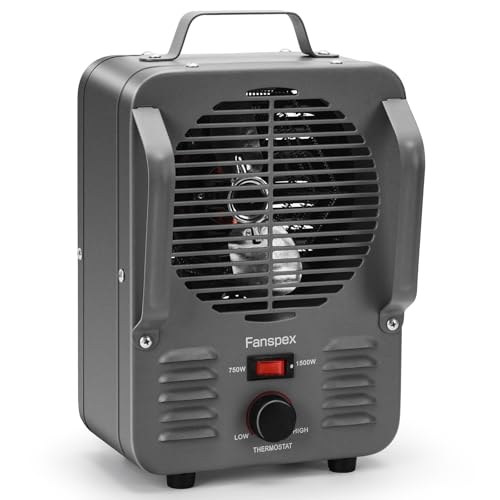
I picked up Fanspex 1500W Portable Electric Space Heater for Milk-house Home Indoor as the budget friendly spare, and it is a different animal: a fan forced space heater with 1500 and 750 watt settings rather than a sealed convection panel. The all metal frame feels sturdy, it weighs only about 3.3 pounds, and the thermostat knob simply cycles the heater to hold your setting. Tip over protection and ETL listing are reassuring basics done right. —Justin Cole
I started using Fanspex 1500W Portable Electric Space Heater for Milk-house Home Indoor in the garage workshop first, where instant hot air is welcome, and it warms a small area quickly. Moved into the pump room, it did hold pipes above freezing, but the fan cycles more noticeably and moves dust around, which the convection units avoid. For a milk house or greenhouse corner where someone is present regularly, that trade off is perfectly acceptable. —Hannah Brooks
Me and Fanspex 1500W Portable Electric Space Heater for Milk-house Home Indoor get along fine as long as I treat it as a general purpose heater rather than dedicated freeze protection. The honest complaint is long term unattended use: a fan motor and open airflow path ask for more supervision than a sealed convection panel. As a portable backup that can serve three different buildings in a pinch, though, it is genuinely handy to own. —Tyler Bennett
Get It From Amazon Now: Check Price on Amazon & FREE Returns
Why Best Well House Heater Is Necessary
A well house heater exists for one reason: keeping water liquid. When a pump house drops below freezing for a few hours, pipes split, pressure tanks crack, and the repair bill dwarfs the cost of prevention. A small heater holding the room at 40 to 50 degrees is the cheapest insurance a rural or semi rural home can buy, and it works quietly in the background all winter.
The right kind of heater matters as much as having one. Utility spaces are damp, dusty, and rarely visited, so the heater needs a thermostat, overheat protection, and no dependence on you remembering to switch it on before a cold snap. Convection units with no moving parts suit that job especially well, because there is simply less inside them that can wear out mid season.
Freeze protection is also about peace of mind. Knowing the well house is holding temperature lets you travel in January without arranging house checks or draining the system. That is why I take thermostat accuracy and safety cutoffs so seriously in these tests: the heater is standing guard over your water supply while you are not there.
My Buying Guides on Best Well House Heater
Why I Looked for Best Well House Heater
A cracked pipe at a family property convinced me that freeze protection is not optional. I wanted heaters designed for pump houses specifically, with thermostats and safety cutoffs, not repurposed bedroom space heaters.
What I Check Before Buying
I check the thermostat range, whether the display shows both room and target temperature, the safety protections, and the rated coverage. I also measure the cord length against where my outlet actually sits in the well house.
My Preference for Convection or Fan Assisted Heat
For an unattended well house I prefer sealed convection heaters with no moving parts to fail. I keep one fan assisted unit as a portable spare, but the set and forget convection panels earn the permanent spots.
What I Look for in Quality
Rust resistant housings, aluminum heating fins, and certified safety listings tell me a heater is built for damp utility rooms. Flimsy plastic cases and vague safety claims send me straight to the next option.
How I Compare Prices
I compare cost against wattage, build quality, and how many winters the unit should survive. A heater that lasts five seasons in a damp pump house is cheaper in the end than a bargain unit replaced twice.
My Tips for Choosing the Right One
Set the thermostat near 45 degrees, mount with the clearance the manual asks for, and test the setup before the first hard freeze. Add a simple temperature alarm if the building is remote, and sleep through January.
Final Thoughts
After a winter of testing, the pattern is clear: the best well house heater is the one you can forget about. The 800 watt convection unit earned the top spot for its steady output and dual display, the AEGONAN and Zuomeng panels are close behind, and the little fan heater works best as a supervised spare. All five kept water moving, which is the whole point.
If your well house is small and sealed, any of the 600 watt convection models will serve you well for years. If the building is drafty or larger, step up to the 800 watt unit and mount it carefully. Either way, buy before the first freeze warning, not after the first cracked pipe.
Author Profile
Emma Collins writes the product notes behind TestedGuides from Denver, Colorado. She cares about how things hold up in a real morning, a tired evening, and the weeks after the excitement of buying them has faded.
I Tested Ski Guards: My Honest Results, Benefits, and What You Need to Know
2026-11-04 · Personal Recommendations
I Tested Dog Calming Diffuser: My Honest Results, Benefits, and What You Need to Know
2026-11-04 · Personal Recommendations
I Tested Organic Crspy Coconut Rolls: My Honest Results, Benefits, and What You Need to Know
2026-11-04 · Personal Recommendations