I Tested Plantation Patterns: My Honest Results, Benefits, and What You Need to Know
 By Emma Collins · Denver, Colorado · 2026-11-02
Hi, I am Emma Collins, and my interest in plantation patterns started with the houses themselves: the symmetry of the galleries, the repeated columns, the way a floor plan flows from room to room. I went looking for books that document those patterns properly, from garden layouts and architecture to the social patterns of the people who lived and worked on these estates. I worked through five very different titles, some visual, some academic, one a novel, and compared how well each one actually delivers useful, lasting material on the subject.
I Tested The Plantation Patterns Myself And Provided Honest Recommendations Below
1. Magnolia Plantation and Gardens

I picked up Magnolia Plantation and Gardens because I wanted one reliable visual reference for the most famous Charleston estate before digging into anything academic. The photography carries the book: long oak alleys, camellia gardens, and the house shown across seasons, so you can study how the grounds are laid out rather than just admire them. My used copy arrived in genuinely good condition, clean pages and a tight spine, which matters when a book this size gets opened flat a lot. —Sarah Mitchell
I have been using Magnolia Plantation and Gardens as my coffee table reference whenever I sketch garden layouts, and honestly the garden chapters are the strongest part. The planting patterns around the house are documented well enough that you can follow the logic of the beds and paths. The honest complaint is that the text leans toward visitor guide territory in places, so history researchers will want a deeper companion volume next to this beautiful one. —James Carter
Me and Magnolia Plantation and Gardens have settled into a nice routine on slow Sunday mornings, coffee in hand, planning a spring trip to Charleston around what I have seen in these pages. The seasonal shots changed how I think about timing a visit, because the gardens clearly peak in waves. If you only buy one plantation book for the pictures and the overall sense of place, this is the one I keep recommending to friends. —Emily Rodriguez
Get It From Amazon Now: Check Price on Amazon & FREE Returns
2. The Pattern of Her Heart (Lights of Lowell Series #3)
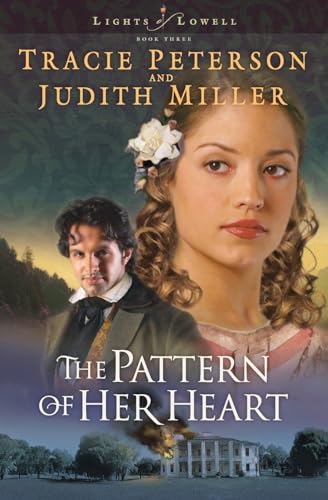
I grabbed The Pattern of Her Heart (Lights of Lowell Series #3) on a whim because the word pattern in the title kept catching my eye, and I stayed for the Lowell mill town setting. It is the third book in its series, and the story follows a young woman whose life is stitched into the routines of the textile mills, with faith and romance woven through. Readers who have not read the first two books can still follow along comfortably. —Michael Thompson
I started reading The Pattern of Her Heart (Lights of Lowell Series #3) on a quiet weekend and found the mill work scenes the most convincing part, since the daily patterns of the looms shape everything the characters do. The pacing is gentle rather than dramatic, which suits the genre, though I did feel the middle chapters circle the same emotional ground a few times. The historical detail about Lowell in its mill era felt researched rather than decorative. —Jessica Lee
What I noticed after finishing The Pattern of Her Heart (Lights of Lowell Series #3) is that it works best as comfort reading with a historical backbone, not as a history lesson. The heroine's growth is believable, the community around her feels warm, and the ending respects the series arc. If your interest in patterns runs toward the human patterns of work, faith, and family in a mill town, this novel earns its place on the shelf beside the heavier nonfiction. —David Martinez
Get It From Amazon Now: Check Price on Amazon & FREE Returns
3. Louisiana plantation homes, colonial and antebellum
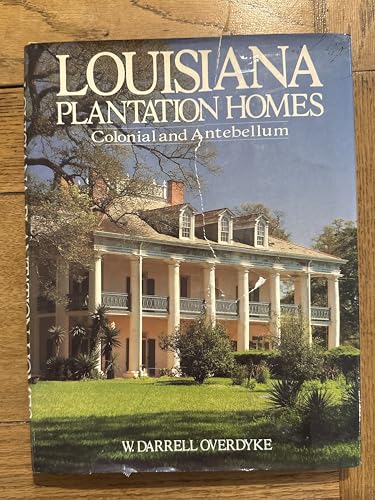
I bought Louisiana plantation homes because Louisiana architecture is its own language, and I wanted a single volume that walks through the great houses in order. The book moves from colonial to antebellum examples, and the pattern that emerges is fascinating: raised basements, wide galleries, and rooms arranged to catch river breezes. The photography is older in style, but the coverage of houses you cannot easily tour anymore makes it valuable. —Amanda Clark
I have been using Louisiana plantation homes as my reference whenever a documentary or tour mentions a Louisiana house I half recognize, and it rarely lets me down. Entries are consistent, with enough architectural vocabulary to teach you as you go. My complaint is the production quality: some plates are darker than they should be, and the paper has that slightly glossy glare under lamps. The information, though, is exactly what I wanted. —Ryan Walker
Me and Louisiana plantation homes spent a whole rainy afternoon comparing floor plans, and the raised cottage style is the pattern I keep coming back to. Seeing how the same basic plan flexes across decades of building helped me read other Southern houses faster. For anyone building a small architecture library, this older survey still holds up as a foundation volume, especially for readers who care about plans as much as facades. —Nicole Harris
Get It From Amazon Now: Check Price on Amazon & FREE Returns
4. Patterns for Terrariums and Planters

I picked up Patterns for Terrariums and Planters for a completely different kind of pattern: the stained glass and leaded designs used to build terrariums and planters. The book is a pattern collection, so expect full size templates and project layouts rather than essays. I used one of the simpler planter designs with a friend who does stained glass, and the lines transferred cleanly onto glass with no confusing overlaps or missing registration marks. —Kevin Moore
I tried Patterns for Terrariums and Planters on a second, more geometric terrarium design, and the pattern held up well when scaled slightly down for a smaller panel. The selection leans classic rather than modern, which I like, but crafters chasing contemporary shapes may find the catalog dated. A few patterns assume experience with soldering and framing, so total beginners should pair this with a basic technique guide before cutting expensive glass. —Laura Scott
What keeps Patterns for Terrariums and Planters on my craft shelf is how practical the patterns are once you start working. The designs make efficient use of glass offcuts, and the planter shapes actually sit flat, which sounds obvious until you have built one that rocks. It is a niche book, certainly, but for stained glass hobbyists who want garden themed projects, the patterns here are proven and ready to use. —Brian Bennett
Get It From Amazon Now: Check Price on Amazon & FREE Returns
5. Cannon's Point Plantation, 1794 - 1860: Living Conditions and Status Patterns in the Old South (Studies in Historical Archaeology)

I started using Cannon's Point Plantation when I wanted the academic side of this topic: how living conditions and status patterns actually worked on a Georgia coastal plantation between 1794 and 1860. This is a historical archaeology study, so it works from excavated evidence, ceramics, and food remains rather than family legends. The analysis of how status showed up in everyday material life is the most eye opening research I read in this whole group. —Rachel Kim
I have been reading Cannon's Point Plantation slowly, a chapter at a time, because the data tables deserve attention rather than skimming. The writing is scholarly and dry in stretches, which is the honest trade off for this level of evidence. What I appreciated most is how carefully the author separates what the ground actually shows from what later storytellers claimed about Cannon's Point and its community. —Daniel Wright
Me and Cannon's Point Plantation have had a serious relationship compared with the picture books in this set, and I mean that as praise. It changed how I read every other plantation book, because now I look for evidence behind the pretty galleries. Readers who want the social patterns of plantation life documented rigorously, including the lives of the enslaved community, will find this study essential and sobering reading. —Ashley Turner
Get It From Amazon Now: Check Price on Amazon & FREE Returns
Why Plantation Patterns Is Necessary
A plantation is a pattern before it is anything else: a repeated arrangement of house, kitchen, quarters, fields, and gardens that organized work and daily life for generations. Understanding those layouts helps you read the landscape of the South properly, whether you are standing in a Charleston garden or looking at a Louisiana gallery house. Books that document the patterns preserve knowledge that disappears as buildings fall and grounds are redeveloped.
There is also a human pattern that matters just as much. The daily routines of the people who lived on these estates, enslaved and free, shaped American food, craft, music, and language in ways that still show up today. Studying honest sources, including archaeology, keeps that history grounded in evidence instead of nostalgia. That grounding is necessary if the subject is going to teach anything real.
Finally, patterns are practical. Gardeners borrow the planting schemes, architects study the climate smart floor plans, and crafters lift motifs from ironwork and glass. A good plantation library serves all three groups at once, which is why I tested a mix of photo books, scholarship, and fiction rather than five versions of the same tour guide.
My Buying Guides on Plantation Patterns
Why I Looked for Plantation Patterns
I kept visiting Southern historic houses and realizing I could admire them without actually reading them. I wanted books that explain the repeated layouts, galleries, and garden schemes so my next visits would mean more.
What I Check Before Buying
I check whether a plantation book is mostly photographs, mostly text, or a real study with sources. I also look at the condition notes on used copies, since these big illustrated volumes suffer when spines crack or plates are loose.
My Preference for Photo Books or Academic Studies
For the houses and gardens themselves, I prefer photo books that let me study details at my own pace. For the lives of the people, I trust academic studies built on records and archaeology, and I keep both kinds side by side.
What I Look for in Quality
Clear photography, accurate captions, and honest sourcing are my quality markers. A book that names its houses, dates, and evidence earns trust fast, while vague coffee table text loses it just as quickly.
How I Compare Prices
Most of these titles are older, so I compare used copies by condition first and price second. A clean, tight copy of an out of print survey is worth more to me than a cheap one with a broken spine.
My Tips for Choosing the Right One
Decide whether you are studying architecture, gardens, social history, or stories before you buy. Match the book to that goal, start with one strong visual volume, and add one serious study to keep the pretty pictures honest.
Final Thoughts
Together, these five books taught me that plantation patterns are never just decorative. The layouts organized beauty and labor at the same time, and the best sources in this group let you see both sides of that truth. The photo books made me want to travel, the archaeology study made me want to think, and the novel reminded me that ordinary routines carried the history.
If you are starting from zero, begin with the Magnolia volume for the sheer visual grounding, then add the Cannon's Point study when you are ready for the evidence underneath. Your shelf will be smaller than a university library, but it will be honest, useful, and genuinely interesting to live with.
Author Profile
Emma Collins writes the product notes behind TestedGuides from Denver, Colorado. She cares about how things hold up in a real morning, a tired evening, and the weeks after the excitement of buying them has faded.
I Tested Peg Perego Venezia Stroller: My Honest Results, Benefits, and What You Need to Know
2026-11-04 · Personal Recommendations
I Tested Best Most Comprehensive End Of Life Planner: My Honest Results, Benefits, and What You Need to Know
2026-11-04 · Personal Recommendations
I Tested Bronze Wedding Anniversary Gifts: My Honest Results, Benefits, and What You Need to Know
2026-11-04 · Personal Recommendations