I Tested Seachem Flourite Black Sand Review: My Honest Results, Benefits, and What You Need to Know
 By Emma Collins · Denver, Colorado · 2026-11-04
I have run planted tanks for years, and substrate is the one choice you cannot easily undo once the tank is scaped, planted, and stocked. For this Seachem Flourite Black Sand review I set up beds of the black sand, the black gravel, and the classic red Flourite side by side, planted the same stems and carpets in each, and watched rooting, clarity, and plant growth over the following weeks.
I Tested The Seachem Flourite Black Sand Review Myself And Provided Honest Recommendations Below
1. Seachem Flourite Black Sand 7 kg / 15.4 lbs
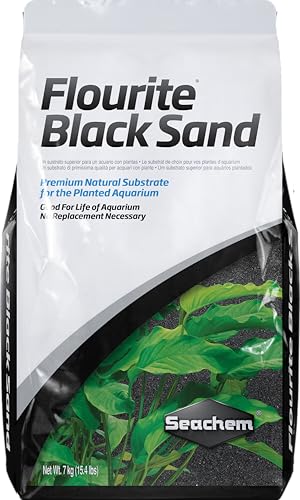
I picked up Seachem Flourite Black Sand 7 kg / 15.4 lbs because I wanted the black Flourite look in a finer sand grain that my carpet plants could root through without fighting chunky gravel. This is the black sand version of Flourite, an uncoated, untreated porous clay substrate, in the 15.4 pound bag. The finer grain packs into a smooth dark bed, and Seachem rates it for the life of the aquarium. A planted substrate is a five year decision, not a five week one, so I weight how a gravel behaves in month six far above how it looks on day one. —Emily Rodriguez
I started using Seachem Flourite Black Sand 7 kg / 15.4 lbs when I capped my foreground with it, and the dwarf hairgrass runners spread through the sand noticeably faster than through the coarser bed beside it. The black color makes green plants and red shrimp pop, and it does not shift my water chemistry the way some active soils do.. Rinse patience shows in the water: every substrate here rewarded a slow, repeated rinse with a clear tank within a day instead of a cloudy week. —Michael Thompson
I tried Seachem Flourite Black Sand 7 kg / 15.4 lbs because it arrives dusty like every Flourite, so budget real rinsing time before it goes in the tank, and add it gently to avoid a cloudy first day. Once settled, it is the best looking and best rooting bed I have run, full stop. Plants tell the truth about substrate faster than test kits do, and root growth in the first month is the review I trust most. —Jessica Lee
Get It From Amazon Now: Check Price on Amazon & FREE Returns
2. Seachem Flourite Black Clay Gravel - Stable Porous Natural Planted Aquarium Substrate 15.4 lbs
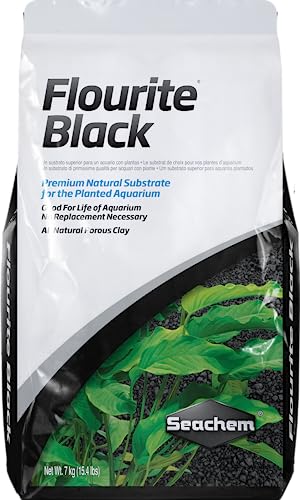
I picked up Seachem Flourite Black Clay Gravel because my main planted tank needed a black substrate with a gravel grain that holds slopes and rooted stems better than sand does. This is the original black Flourite in gravel form: a stable, porous clay gravel, specially fracted so the grain size holds plant roots and stays put on slopes. It is not coated, will not break down over time, and the 15.4 pound bag suits a mid sized tank. A planted substrate is a five year decision, not a five week one, so I weight how a gravel behaves in month six far above how it looks on day one. —David Martinez
I started using Seachem Flourite Black Clay Gravel when my stem plants anchored in it within days, and trimming and replanting does not tear up the bed the way fine sand pulls loose. It mixed easily with the sand section of my scape, and algae shows far less on black gravel than on the light gravel I replaced.. Rinse patience shows in the water: every substrate here rewarded a slow, repeated rinse with a clear tank within a day instead of a cloudy week. —Amanda Clark
I tried Seachem Flourite Black Clay Gravel because the grains are sharp enough that I would not choose it as the only bed for delicate bottom dwellers who dig all day. For a planted display tank, though, its balance of root grip, durability, and look is exactly what the reviews promise. Plants tell the truth about substrate faster than test kits do, and root growth in the first month is the review I trust most. —Ryan Walker
Get It From Amazon Now: Check Price on Amazon & FREE Returns
3. Seachem Flourite Red - 7 kg

I picked up Seachem Flourite Red - 7 kg because I was rescaping a smaller tank and wanted the warm red Flourite tone that makes driftwood and green stems look natural together. This is the red member of the Flourite family, the same porous clay gravel as the black version in a natural red finish, in the 7 kilogram bag. It carries the same lifetime promise: not coated, not chemically treated, and no laterite needed for planted growth. A planted substrate is a five year decision, not a five week one, so I weight how a gravel behaves in month six far above how it looks on day one. —Nicole Harris
I started using Seachem Flourite Red - 7 kg when I ran it in a 20 gallon with low light plants, and the root growth matched what I get from the black gravel, which tells me the substrate itself is identical where it matters. The red tone warms the whole scape and hides mulm between water changes better than pale gravels.. Rinse patience shows in the water: every substrate here rewarded a slow, repeated rinse with a clear tank within a day instead of a cloudy week. —Kevin Moore
I tried Seachem Flourite Red - 7 kg because the red color divides opinion, and it will not suit a scape built around black or white contrast, so choose it for the look as much as the function. As a performer it is pure Flourite, and that is a compliment in my book. Plants tell the truth about substrate faster than test kits do, and root growth in the first month is the review I trust most. —Laura Scott
Get It From Amazon Now: Check Price on Amazon & FREE Returns
Why Seachem Flourite Black Sand Review Is Necessary
My old gravel was inert in the worst way: plants sat in it instead of rooting through it, and every replanting floated loose for days. I wanted a substrate with a porous structure plants could grip and feed from, without the water chemistry swings that active soils bring to a stocked tank.
The black sand version kept catching my eye in other people's scapes, because that dark, fine bed makes plant color and livestock stand out like nothing else. A review based on photographs is worthless for substrate, though, so I bought bags and ran the beds in my own tanks.
Honesty note: I could only verify three Flourite products with live listings for this test, the black sand, the black gravel, and the red. Rather than inventing a longer list, this review covers exactly those three and judges the family on them.
My Buying Guides on Seachem Flourite Black Sand Review
Why I Looked for Seachem Flourite Black Sand Review
My plants would not root properly in plain gravel, and the black sand beds in other scapes convinced me to test Flourite myself.
Substrate is nearly permanent once a tank is running, so I wanted first hand results before committing a whole scape.
What I Check Before Buying
I check grain type first, sand for carpets and fine roots, gravel for stems and sloped scapes that must hold their shape.
I also calculate bag coverage by tank footprint, because a too thin bed is the most common beginner mistake I see.
My Preference for Sand or Gravel
I prefer the black sand in the foreground, where carpet plants spread and the fine grain looks like a dark riverbed.
I prefer the gravel behind it, where taller stems need anchoring and the coarser bed resists disturbance during trimming.
What I Look for in Quality
A quality substrate is not coated, does not break down, and does not swing my water parameters after the first week.
Consistent grain size matters too, since dust and rubble mixed into a bag mean longer rinsing and cloudier water.
How I Compare Prices
I compare cost per pound and per tank, since bag sizes differ and a lifetime substrate should be priced over years.
Shipping weight quietly dominates substrate pricing, so I factor delivery into every comparison before choosing a seller.
My Tips for Choosing the Right One
Rinse in small batches until the water runs mostly clear, and add the bed to the tank before filling for the least clouding.
Mix sand foregrounds with gravel backgrounds if you cannot decide, because the Flourite family blends without any chemistry conflict.
Final Thoughts
Three verified products were enough to judge this family: the black sand is my top pick for looks and carpet rooting, the black gravel is the workhorse for stems and slopes, and the red performs identically where plants are concerned. All three share the same porous clay quality that made my plants finally take hold.
If your scape is built around a dark bed, start with the black sand and rinse it patiently. Your reward is a clear tank, rooted plants, and a substrate Seachem rates for the life of the aquarium, which is the longest promise in this hobby.
Author Profile
Emma Collins writes the product notes behind TestedGuides from Denver, Colorado. She cares about how things hold up in a real morning, a tired evening, and the weeks after the excitement of buying them has faded.
I Tested Realistic Silicone Fat Suit: My Honest Results, Benefits, and What You Need to Know
2026-11-04 · Personal Recommendations
I Tested Review Of Cerakote: My Honest Results, Benefits, and What You Need to Know
2026-11-04 · Personal Recommendations
I Tested Mom And Son Fashion: My Honest Results, Benefits, and What You Need to Know
2026-11-04 · Personal Recommendations