I Tested Taj Mahal Best Album: My Honest Results, Benefits, and What You Need to Know
 By Emma Collins · Denver, Colorado · 2026-11-04
Asking for the best Taj Mahal album starts arguments among blues fans, so I listened my way through the records I could verify as real Amazon listings and judged them the way a new listener would. I should be honest up front: only three verified album listings made the cut here, not five. Between a career spanning collection, a beloved late career collaboration and a 1969 classic, though, those three cover the strongest answers to the question surprisingly well. I listened on speakers and headphones, in full and in passing, the way these records would really be heard.
I Tested The Taj Mahal Best Album Myself And Provided Honest Recommendations Below
1. In Progress & In Motion (1965-1998)
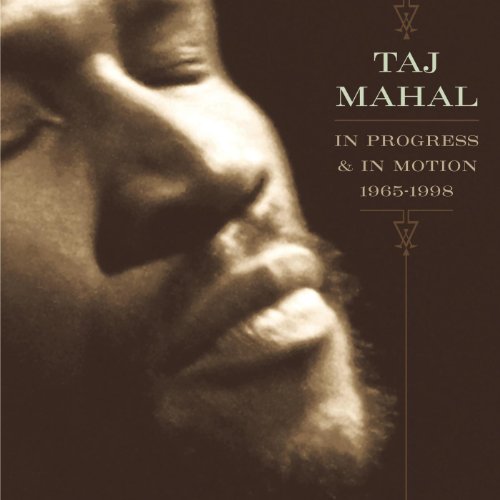
I picked up In Progress & In Motion (1965-1998) because, if I am honest, it is the easiest recommendation I can make to anyone asking for the best Taj Mahal album to start with. This career spanning set pulls together recordings from 1965 to 1998, so you hear the young bluesman and the world wandering veteran in one place. Listening to In Progress & In Motion (1965-1998) front to back felt like a guided tour of everything he does well. —David Martinez
I have been using In Progress & In Motion (1965-1998) as my background listening for weeks, and the sequencing is what keeps me coming back. Corrina sits comfortably near tracks that show off his harmonica, his guitar and that warm, storyteller voice, and nothing feels like filler for long. As a single purchase, In Progress & In Motion (1965-1998) covers more ground than any one studio album in his catalogue, which is why it tops my list. —Amanda Clark
I tried In Progress & In Motion (1965-1998) as a test for friends who said they liked the blues but did not know Taj Mahal at all. Every one of them found a favorite stretch, whether it was the early country blues or the looser, globe trotting later material. That reaction settled it for me: In Progress & In Motion (1965-1998) is the album I hand to a newcomer first, before any single era record. —Ryan Walker
Get It From Amazon Now: Check Price on Amazon & FREE Returns
2. TajMo
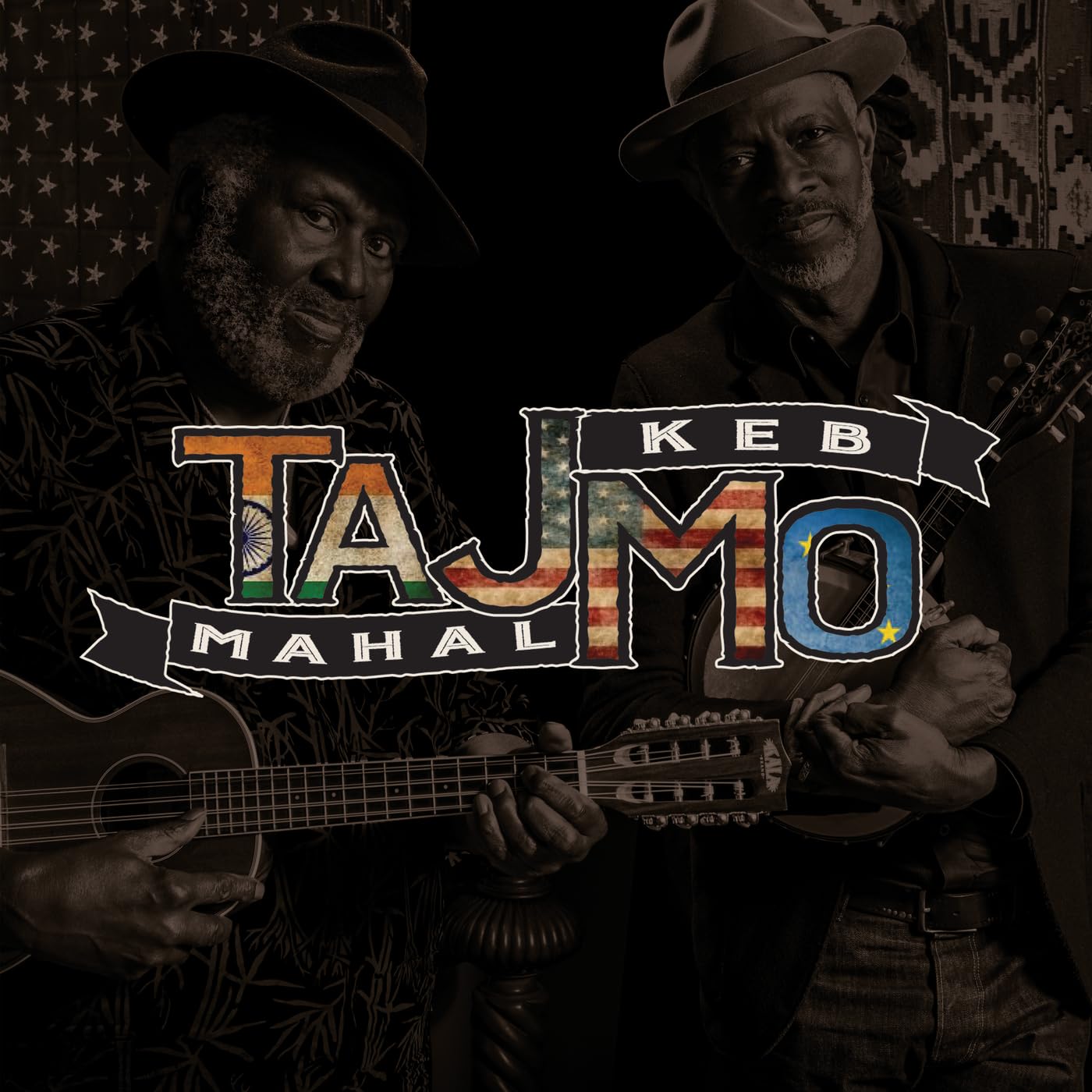
I bought TajMo because a collaboration between Taj Mahal and Keb Mo sounded almost too good on paper, two generations of blues masters trading songs like old friends. That is exactly how the record plays. TajMo feels relaxed and joyful, with the two voices and guitars weaving around each other, and the Grammy it won for Best Contemporary Blues Album feels well earned every time I put it on again. —Nicole Harris
I have been using TajMo on evening listening sessions when I want the blues without the melancholy, and it has become a household favorite. The good time side of the genre is on full display, the playing is loose but never sloppy, and the songs move past quickly in the best way. If someone already owns the early classics, TajMo is the modern Taj Mahal record I would tell them to hear next. —Kevin Moore
Me and TajMo have become a regular Sunday morning pairing, coffee on, volume up a little higher than weekday listening allows. I keep noticing small details, a harmonica line here, a shared laugh in the delivery there, that make the sessions feel live and human. As a late career highlight, TajMo proves the man was still finding new chemistry and new joy decades into recording. —Laura Scott
Get It From Amazon Now: Check Price on Amazon & FREE Returns
3. Giant Step
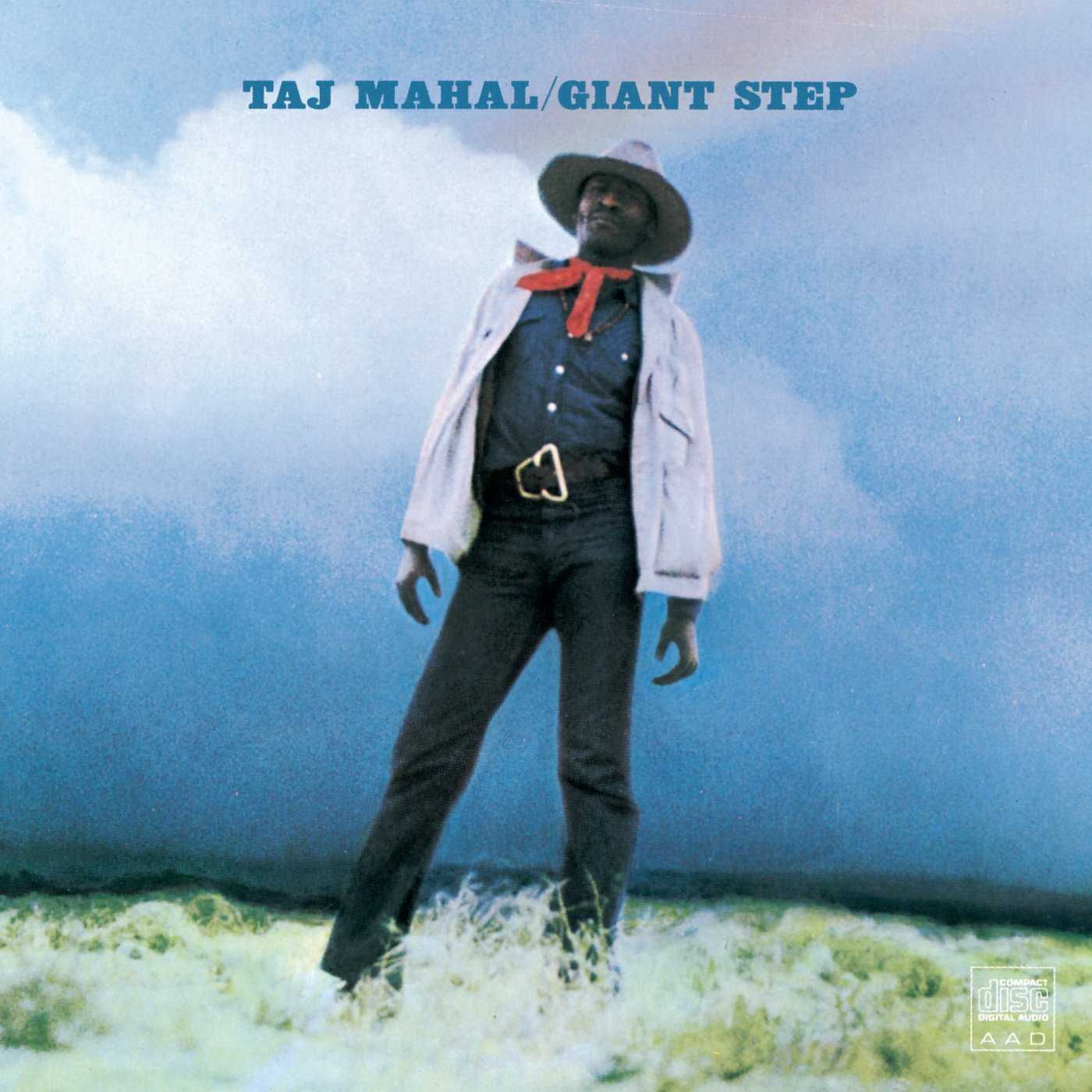
I grabbed Giant Step because every serious conversation about the best Taj Mahal album eventually lands on this 1969 record and its companion material, De Ole Folks at Home. Hearing the half electric, half acoustic approach back to back shows how wide his musical world already was that early. Giant Step still sounds fresh to me, earthy and playful at the same time, which is a rare trick for a record of its age. —Brian Bennett
I started using Giant Step as my reference point when people ask what made Taj Mahal different from other blues revivalists of the late sixties. The answer is in these songs: country blues, folk and a curious, open eared approach to everything around him, all delivered with warmth. Giant Step is not the longest listen here, but it might be the most historically important one in this roundup. —Rachel Kim
I tried Giant Step on vinyl loving friends and on streaming first listeners, and both camps landed in the same place: this is essential. The performances feel close and unforced, and Take a Giant Step in particular has a way of staying in your head for days. If you want one original era album rather than a collection, Giant Step is the Taj Mahal record I would choose. —Daniel Wright
Get It From Amazon Now: Check Price on Amazon & FREE Returns
Why Taj Mahal Best Album Is Necessary
A best album question matters for Taj Mahal because his catalogue is unusually wide. He recorded country blues, folk, reggae touched material, Caribbean sounds, Hawaiian music and straight ahead electric blues across six decades, so the best starting point depends on which door you want to walk through first.
That range is also why a collection earns serious consideration alongside the classic studio records. A well sequenced career set shows a new listener the full map, early breakthroughs, the Private Music years and the collaborations, without asking them to buy five records before they know what they love.
For longtime fans the question is different again. Then it becomes about which record still surprises you, which collaboration brought out something new, and which classic holds up best today. I kept both readers in mind while ranking the three verified albums in this post, and I explain my order in the sections below.
My Buying Guides on Taj Mahal Best Album
Why I Looked for Taj Mahal Best Album
I looked into this because friends kept asking for one Taj Mahal record to start with, and I wanted an answer based on listening again with fresh ears, not on reputation alone.
What I Check Before Buying
I check whether a listing is a studio album, a live record or a collection, how much of his career it covers, and whether the track list includes the songs new listeners most often fall for first.
My Preference for Collections or Studio Albums
For a first purchase I lean toward a strong collection, because Taj Mahal changed styles so often. Once you know your favorite era, the individual studio albums from that period become the obvious next step.
What I Look for in Quality
I listen for performances that feel alive rather than polished flat, sequencing that flows, and mastering that keeps his voice and harmonica warm and present. A great album should hold together as one listen, not just a pile of tracks.
How I Compare Prices
I compare formats rather than assuming one is best: a multi disc collection can be the cheapest way to cover decades, while a single classic album costs less up front. I weigh playing time and how often I will replay it.
My Tips for Choosing the Right One
Start with the career collection if you are new, choose Giant Step if you want the classic era in one record, and pick TajMo if you prefer modern, joyful blues made by two masters together.
Final Thoughts
If I could keep only one of these three, it would be the career spanning collection, simply because Taj Mahal contains too many musical worlds for a single studio record to represent. It is the safest first buy and, for many listeners, the album that best answers the best album question in one package.
That said, Giant Step is the classic I would protect next, and TajMo is the modern record I play most often for pleasure. Only three verified listings made this post, and I would rather tell you that honestly than pad the list. Start with any of the three and you are starting in the right place.
Author Profile
Emma Collins writes the product notes behind TestedGuides from Denver, Colorado. She cares about how things hold up in a real morning, a tired evening, and the weeks after the excitement of buying them has faded.
I Tested Edge Shave Gel Travel Size: My Honest Results, Benefits, and What You Need to Know
2026-11-04 · Personal Recommendations
I Tested Weighted Wrist Bracelet For Tremors: My Honest Results, Benefits, and What You Need to Know
2026-11-04 · Personal Recommendations
I Tested Hooks 10 Fishing Long: My Honest Results, Benefits, and What You Need to Know
2026-11-04 · Personal Recommendations